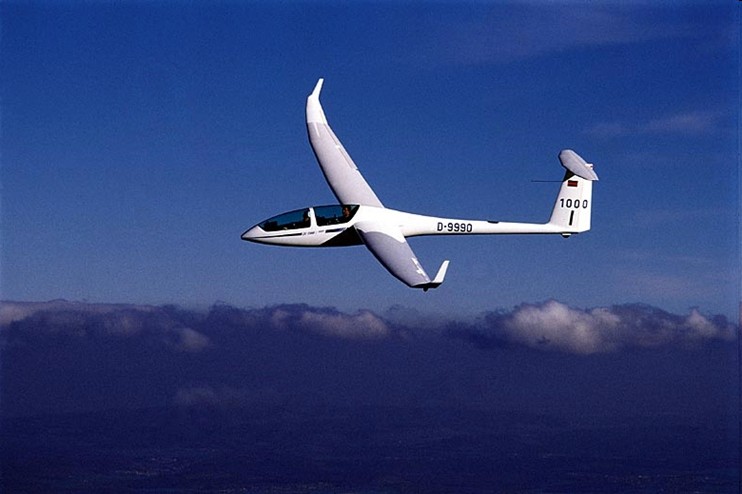
A sailplane achieves its performance through exceptionally low aerodynamic drag. This makes even relatively small losses important, particularly where major components such as the wing and fuselage meet.
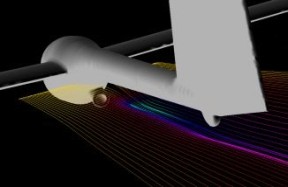
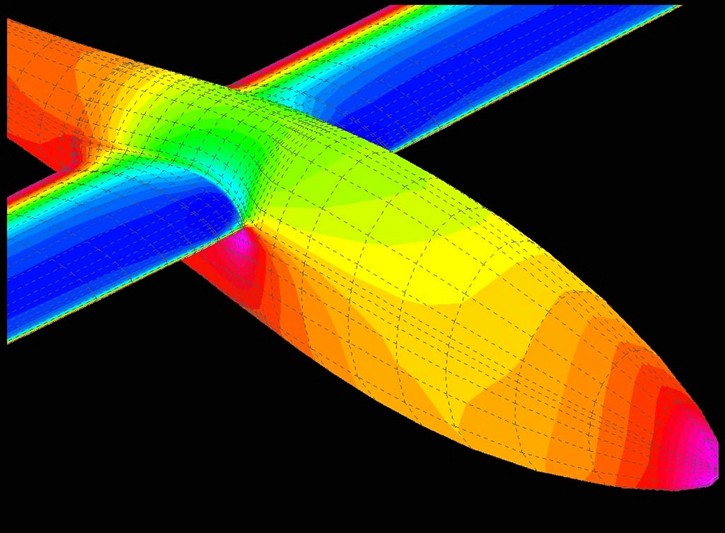
FlowMotion used CFD to analyse the three-dimensional airflow around the fuselage-wing junction. The interaction between the boundary layers on the fuselage and wing creates a complex flow field that cannot be understood from two-dimensional aerofoil data alone.
Three-dimensional pressure gradients can generate secondary flow and locally thicken the boundary layer. If the geometry is unfavourable, this can lead to flow separation and additional interference drag.
The simulations provided detailed pressure and velocity distributions around the junction and allowed geometric modifications to be compared directly. Regions responsible for aerodynamic loss could therefore be identified rather than relying only on the total drag value.
The resulting optimisation focused specifically on reducing interference losses while preserving the aerodynamic requirements of both the wing and fuselage.