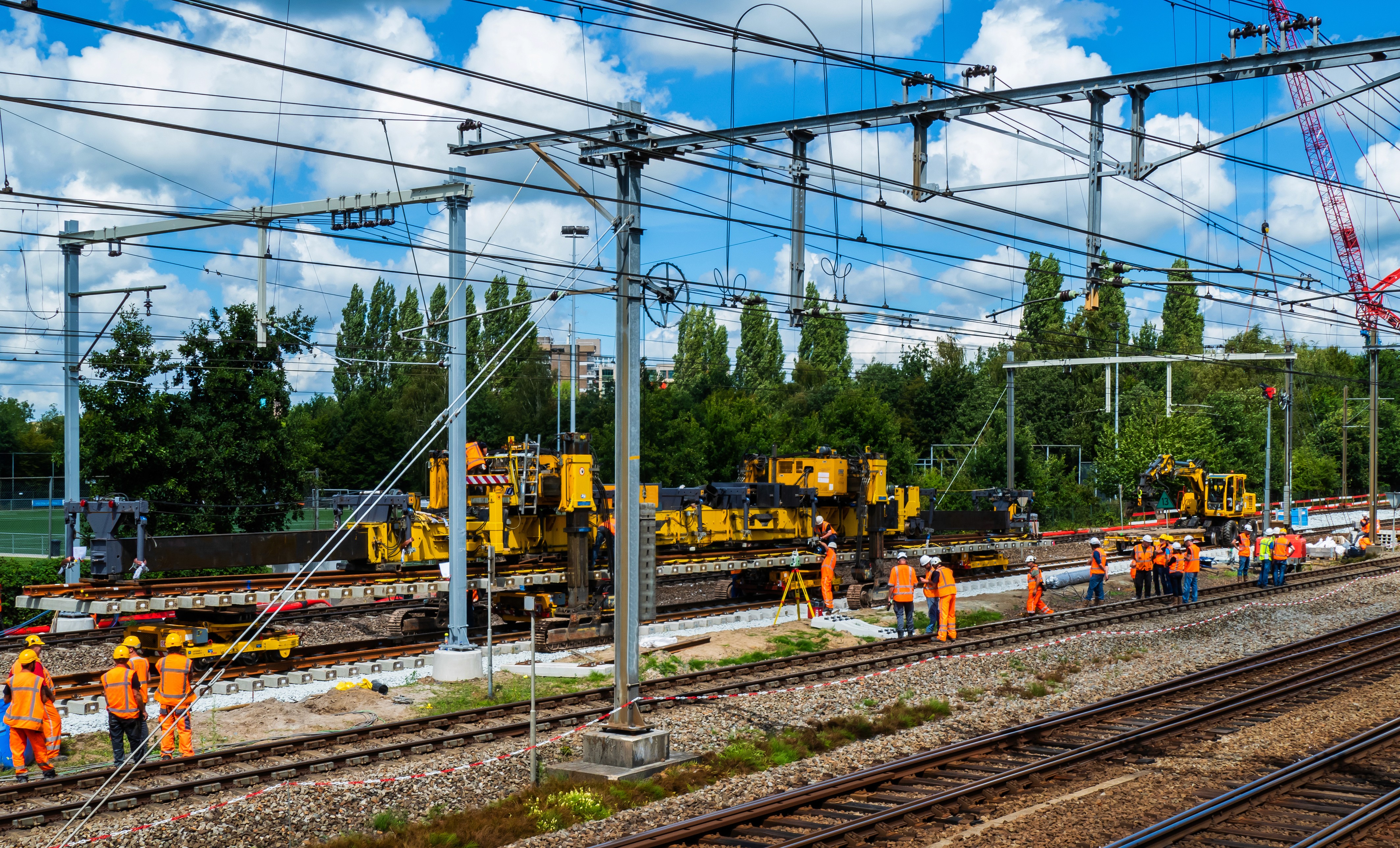
Ice and snow around railway points can prevent moving components from operating correctly. Point heaters are therefore used to supply enough heat to melt accumulated ice and keep the track mechanism operational under winter conditions.
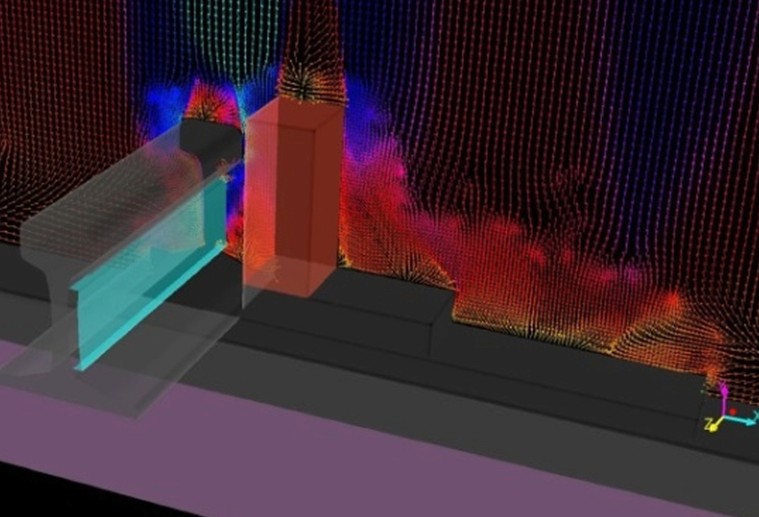
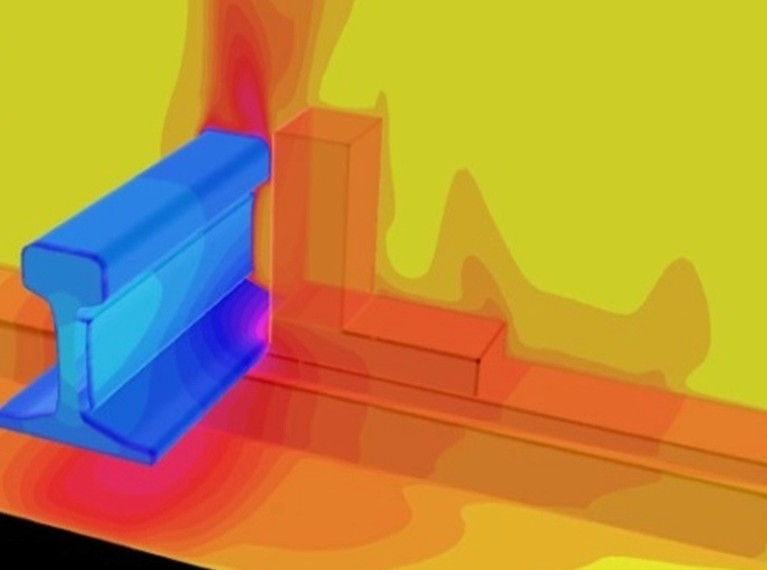
FlowMotion used CFD and thermal modelling to analyse the heat transfer within a railway point. The model included the relevant rail components, sleepers, support structure, electric heaters and ice deposits.
Several heat-transfer mechanisms act simultaneously. Heat is conducted through the rails and other solid components, exchanged with the surrounding air by natural convection and transferred between surfaces by thermal radiation.
Melting ice introduces an additional energy requirement: heat must not only raise the ice temperature to the melting point, but also provide the latent heat of fusion required for the phase change from solid ice to liquid water.
The simulations complemented infrared measurements by revealing temperatures and heat flows inside components that could not be observed directly. This provided a basis for assessing heater placement, heating power and the time required to clear critical regions.