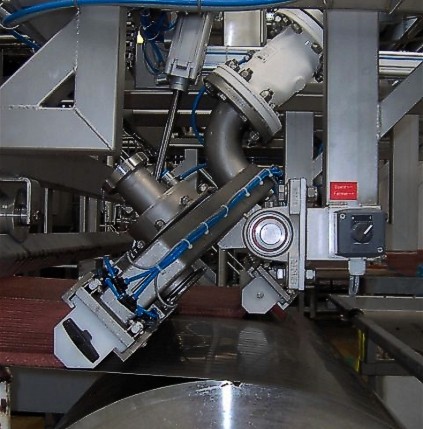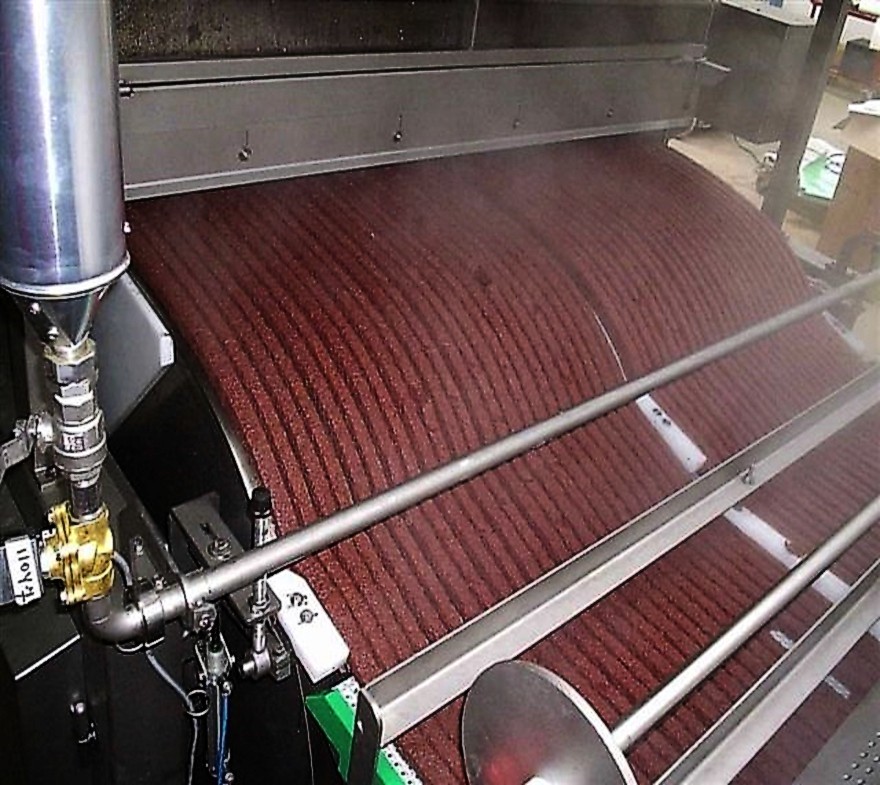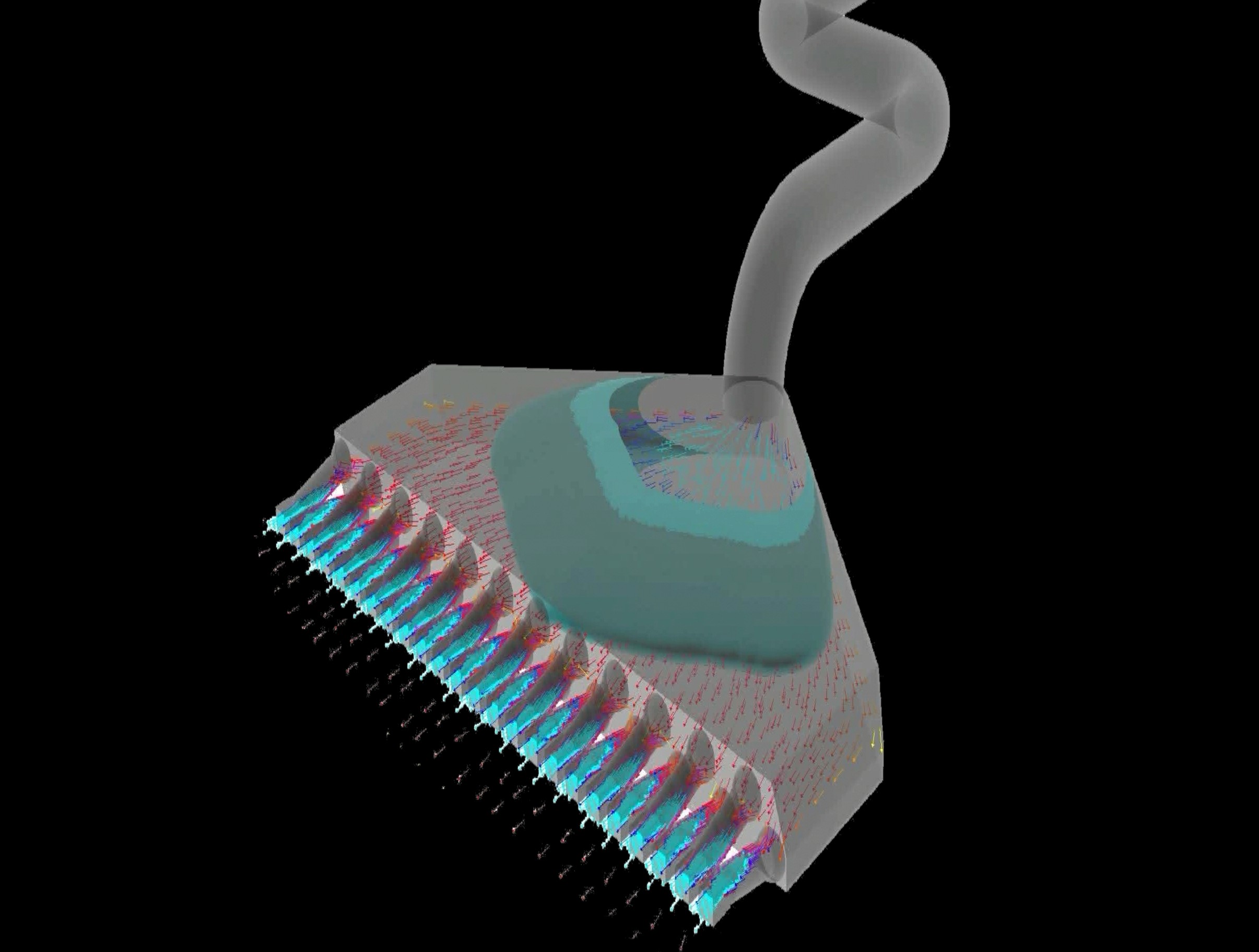
In pet-food production, an extruder must distribute the product flow uniformly while generating the pressure and mixing required by the process. The material can have strongly non-Newtonian behaviour, making the internal flow difficult to predict using simple engineering correlations.
FlowMotion used CFD to analyse the flow through the extruder. The calculations provided the pressure distribution, local velocity field and mass-flow distribution through the different passages.
The rheological behaviour of the product was included so that changes in apparent viscosity with deformation rate could be represented. This made it possible to identify regions with excessive pressure loss, poor flow distribution or unfavourable residence behaviour.
Different geometric configurations could then be compared quantitatively. The CFD results provided a basis for improving the extruder design while maintaining the required production capacity and product quality.