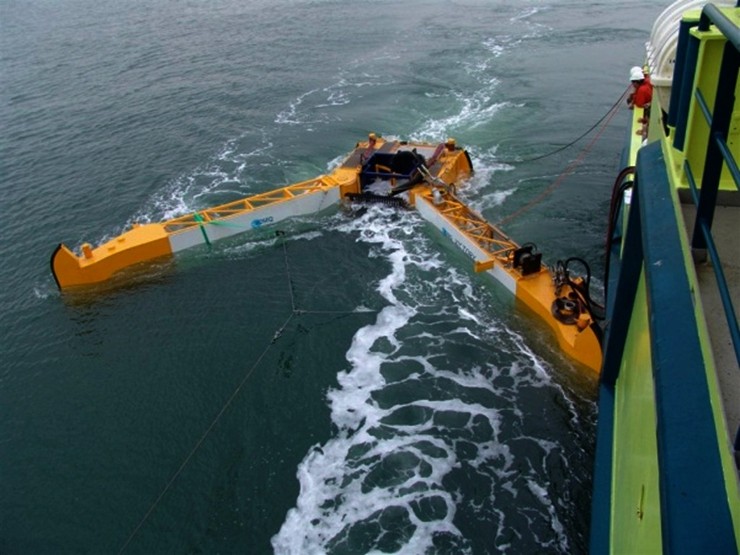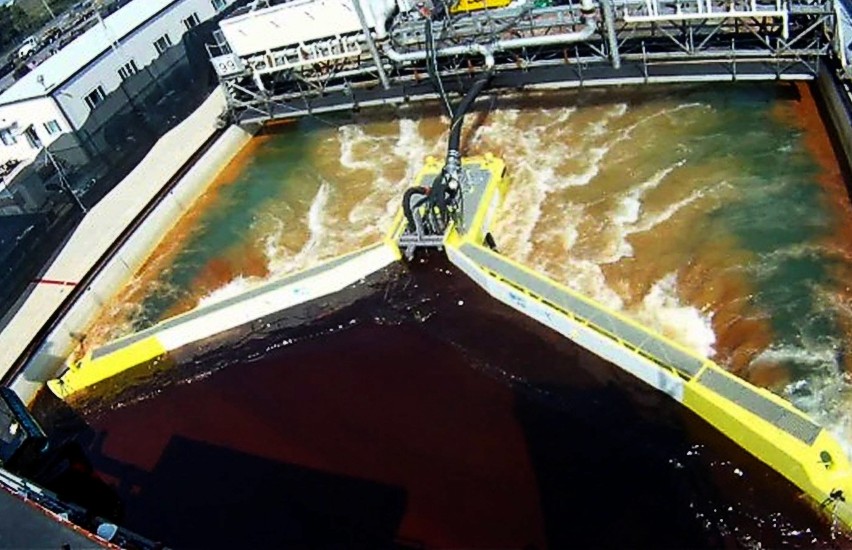
Recovering oil from the water surface after a spill requires a system that can collect the oil effectively while taking in as little water as possible. The process involves interacting air, water and oil phases and a free surface that changes continuously during operation.
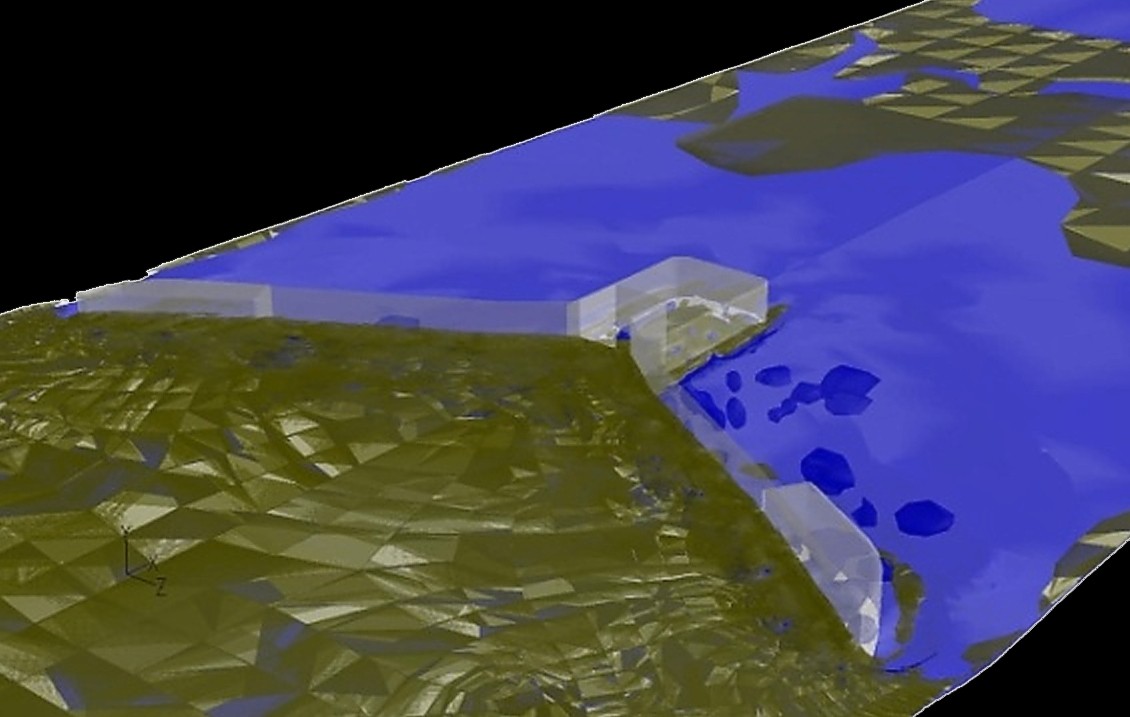
FlowMotion used multiphase CFD and experimental measurements to analyse an oil-recovery system. The transient simulations resolved the movement of the different liquid phases and the deformation of the air-water-oil interfaces.
The geometry and operating conditions determine the local velocity field and therefore how oil is transported towards the collection system. Excessive velocities or unfavourable recirculation can increase water intake or allow oil to escape.
Measurements were used to assess the behaviour of the physical system and to support the numerical analysis. Different design modifications could then be compared using the calculated phase distribution and flow field.
The combination of experiment and multiphase CFD provided a detailed basis for improving oil recovery while limiting unnecessary water collection.