Industrial margarine production requires aqueous and oily components to be mixed into a homogeneous product. The flow behaviour of this mixture is complex and cannot simply be described as that of a Newtonian fluid.
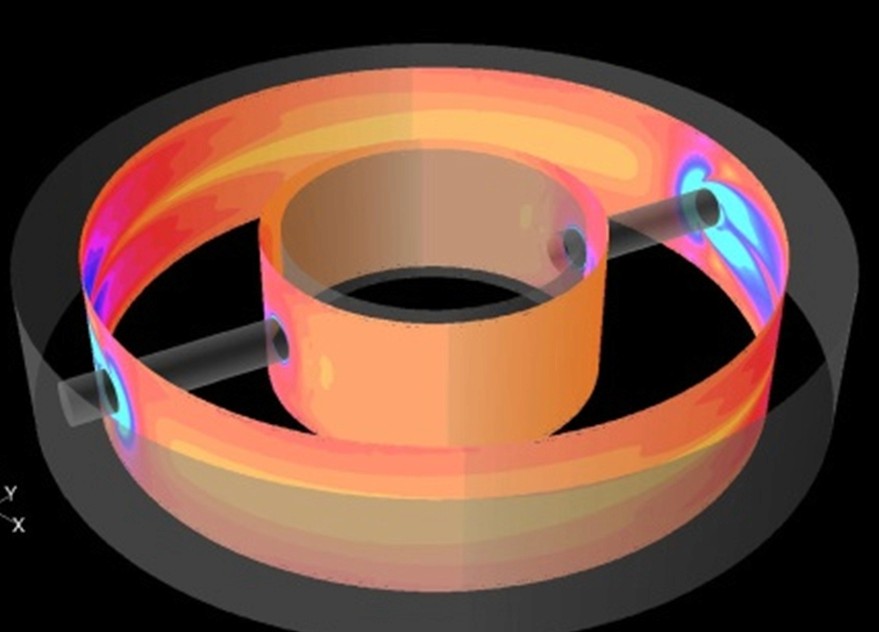
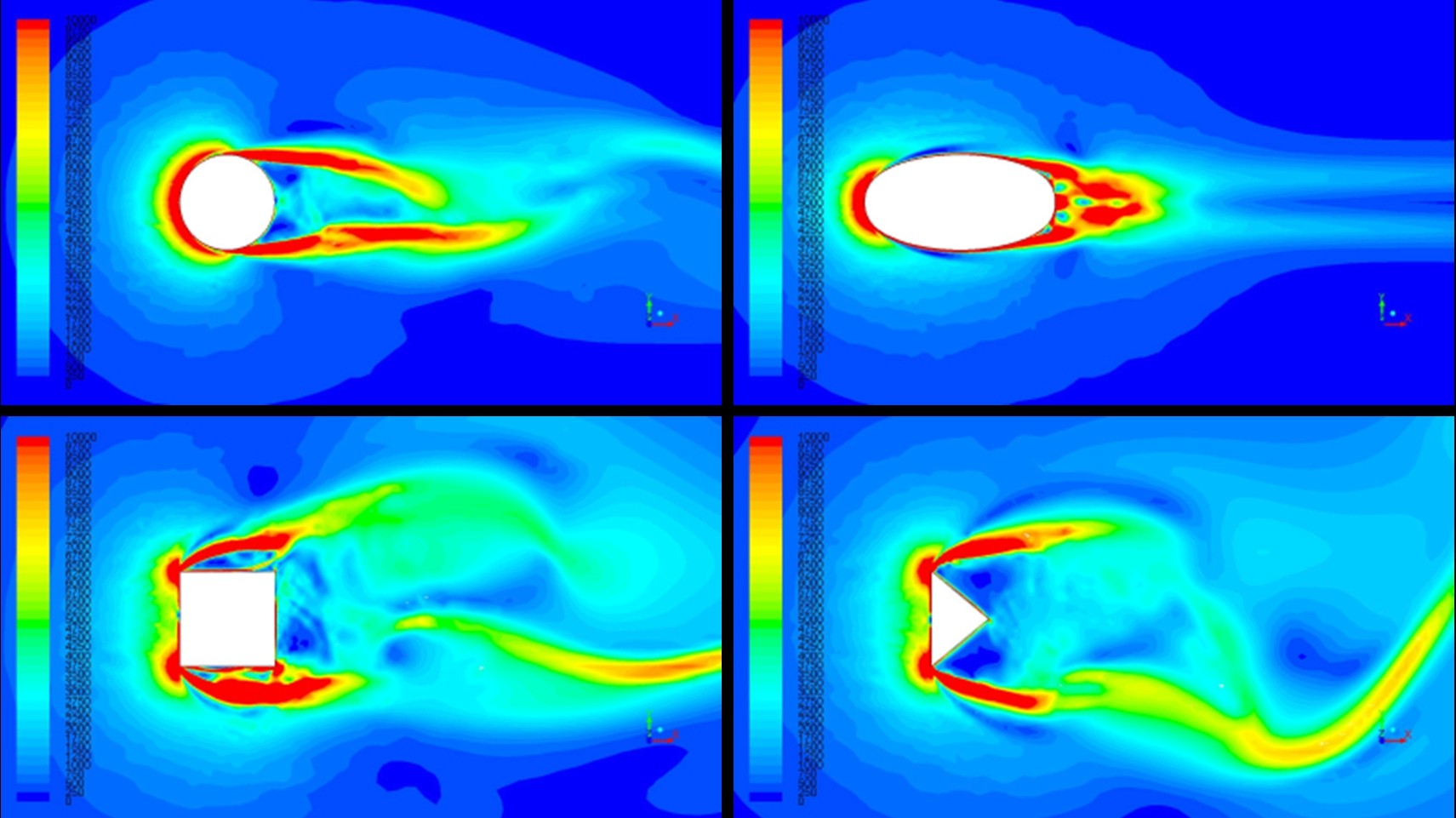
Effective mixing requires sufficient shear stresses and deformation rates within the product. At the same time, temperature must remain controlled because viscous dissipation can convert mechanical energy into heat. Process throughput and the drive torque required by the mixer are also important design criteria.
FlowMotion investigated how reliably commercial CFD software could reproduce this flow behaviour. The calculations included the rheological material model and viscous dissipation. Numerical results for different geometries and rotational speeds were compared with experimental measurements.
By comparing simulation and experiment, it was possible to assess how accurately CFD could predict the relevant flow quantities in the production process and whether it could be used as a reliable tool for further optimisation.