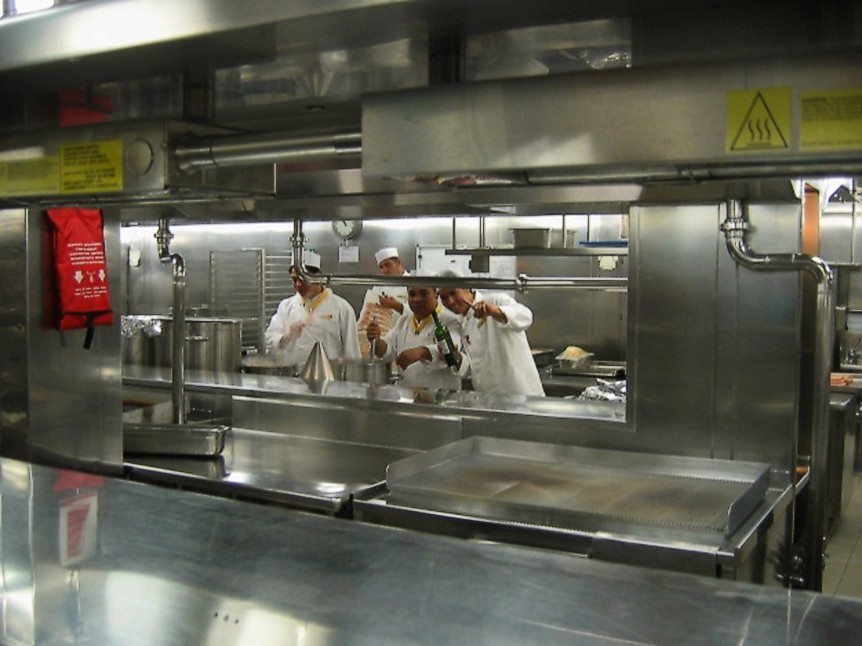
Cruise ships contain many professional kitchens with extraction hoods. Because these ships often operate in warm climates, cooling and conditioning the incoming air requires considerable energy. When large quantities of this cooled air are subsequently exhausted from the kitchens, a significant part of that cooling energy is lost.
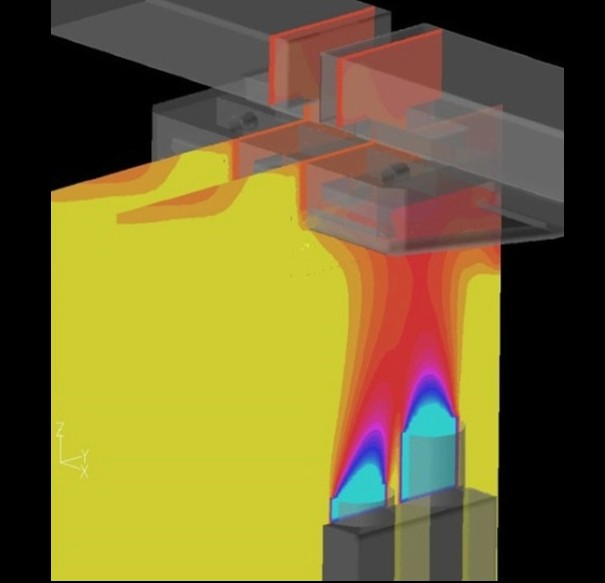
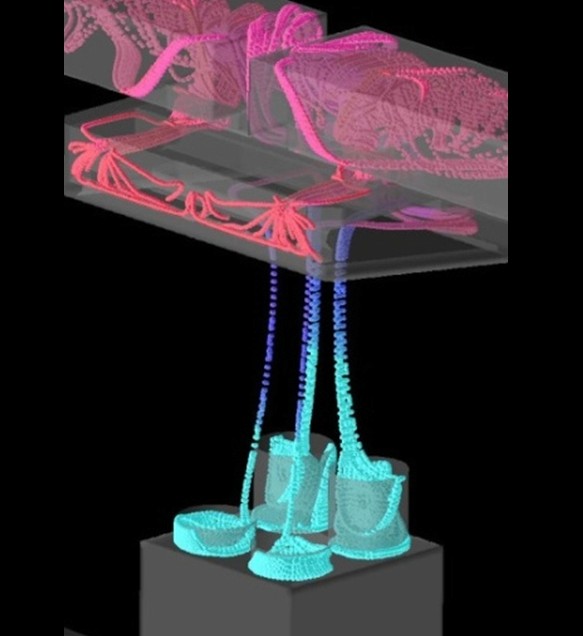
FlowMotion worked with the University of Applied Sciences Emden to optimise an extraction hood with the aim of reducing the required exhaust air volume flow without compromising the capture of cooking fumes and odours. The university carried out measurements including air velocity and temperature, while FlowMotion analysed the airflow using CFD.
An important part of the concept was the controlled use of an air jet inside the hood. This jet helped guide the warm contaminated air towards the extraction zone. Different hood geometries, volume flow rates and airflow configurations were simulated and compared.
The design also had to accommodate components such as grease separators, UV filters, lighting and fans. Within the limited available space, these components influence the airflow and therefore the reliable capture of cooking fumes.
The combination of measurements, CFD simulations and practical experience resulted in a design with 25–30% lower thermal losses. The developed product received the Meyer Werft Innovation Award in 2012.