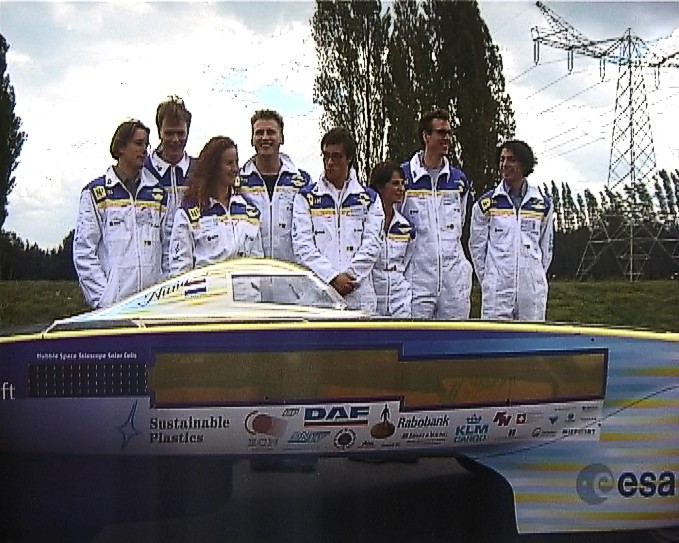
The ‘World Solar Challenge’ (WSC) has been held in Australia since 1987. This is a race for cars powered by solar energy. The participants must design and build the cars themselves. Teams race their vehicles from Darwin in the north to Adelaide, 3,000 km to the south, across the Australian continent.
The World Solar Challenge stimulates research, development, and innovation. All teams utilise the latest technologies in their cars, thereby contributing to the improvement of renewable energy applications. Additionally, the competitive nature of the event demands the utmost from them throughout the race. The ‘Alpha Centauri Team’ was the first Dutch team ever to participate in a WSC. Their solar car, named ‘Nuna’, was designed to achieve the highest possible top speed. Key factors for this goal include electrical efficiency, rolling resistance, and aerodynamics.
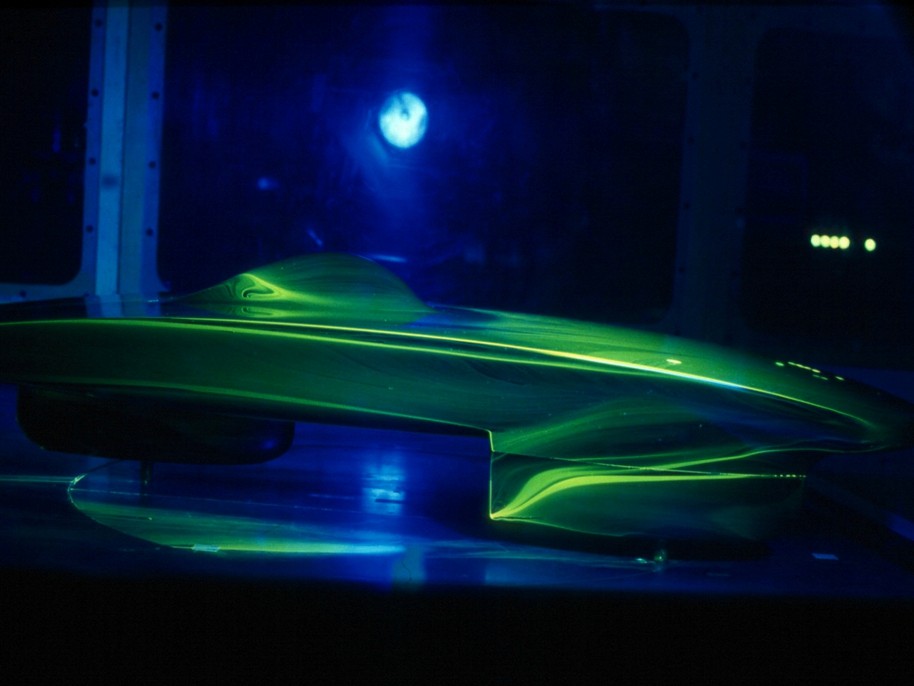
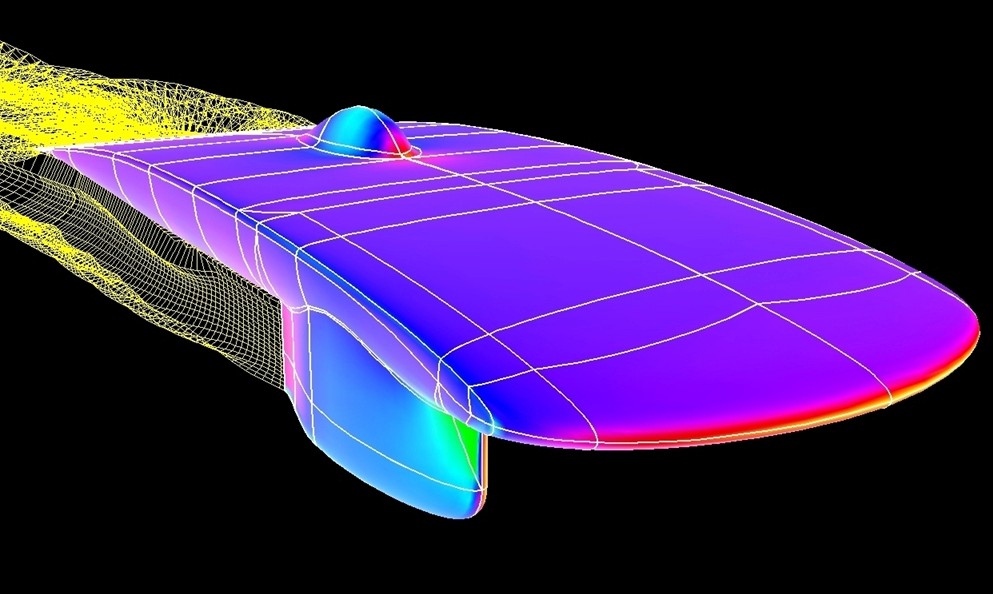
The aerodynamic design of ‘Nuna’ was executed in collaboration with FlowMotion and Delft University of Technology. With the aid of computer simulations and wind tunnel investigations, a body shape was developed that offers not only extremely low air resistance but also very low sensitivity to crosswinds. The latter is particularly important as the race takes place on public roads, meaning the solar cars frequently encounter massive road trains. The resulting air turbulence can abruptly push the 250 kg vehicle off course.
A budget of one million euros and 18 months of intensive hard work by the team and their partners paid off. On 21 November 2001, after four days of racing, the ‘Alpha Centauri Team’ was the first to cross the finish line in Adelaide. With this achievement, the team broke nearly all possible records: the course record previously held by Honda, the highest average speed, and the daily record. Moreover, they were the first debutants ever to win the WSC.