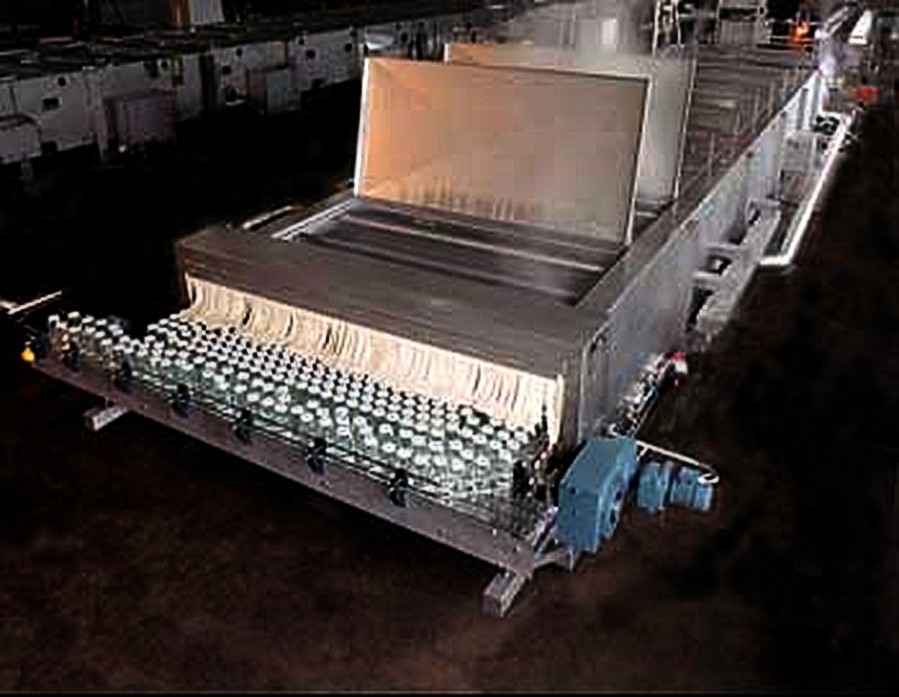
In a pasteurisation process, the product must follow a prescribed temperature history to achieve the required treatment without unnecessarily reducing product quality. The local heat transfer between the heating or cooling medium and the product is therefore a critical design parameter.
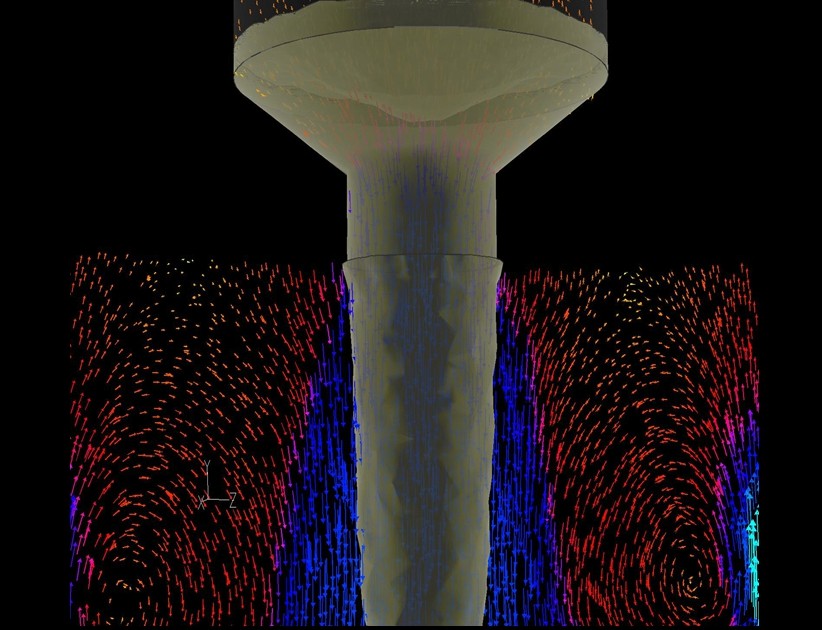
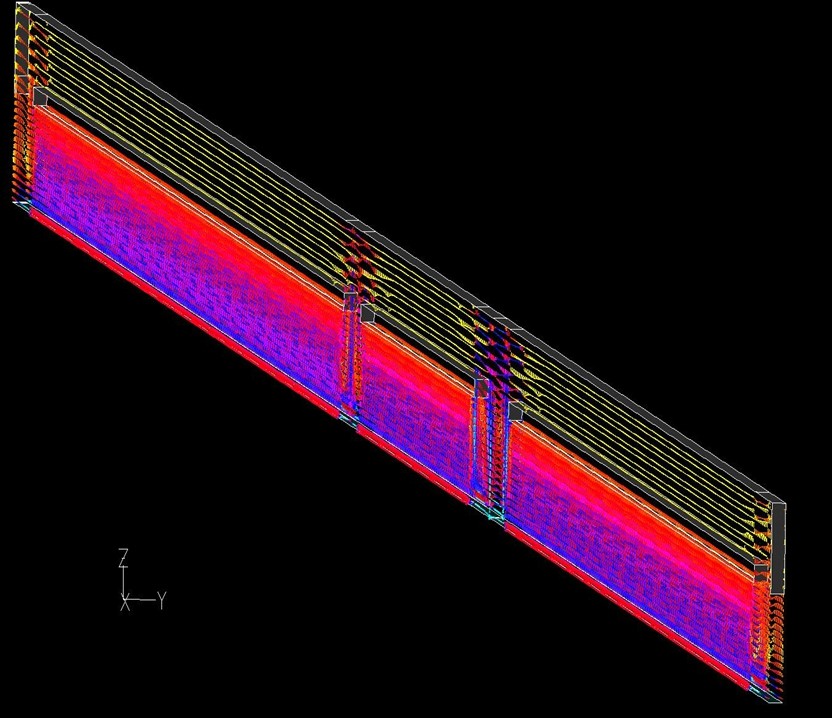
FlowMotion used CFD to analyse the flow and heat transfer in an industrial pasteurisation system. The calculations provided the local velocity and temperature fields and showed how the flow distribution affected the heat-transfer rate.
Non-uniform flow can create regions in which products heat or cool at different rates. By identifying these differences numerically, changes to the geometry and operating conditions could be evaluated before implementation.
The simulations were used to improve the distribution of the process flow and thereby achieve more uniform and controllable heat transfer throughout the installation.