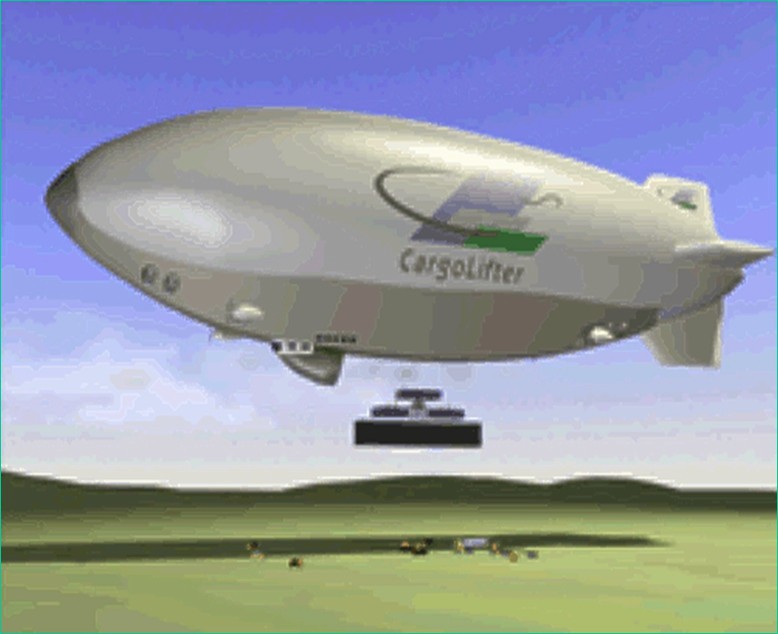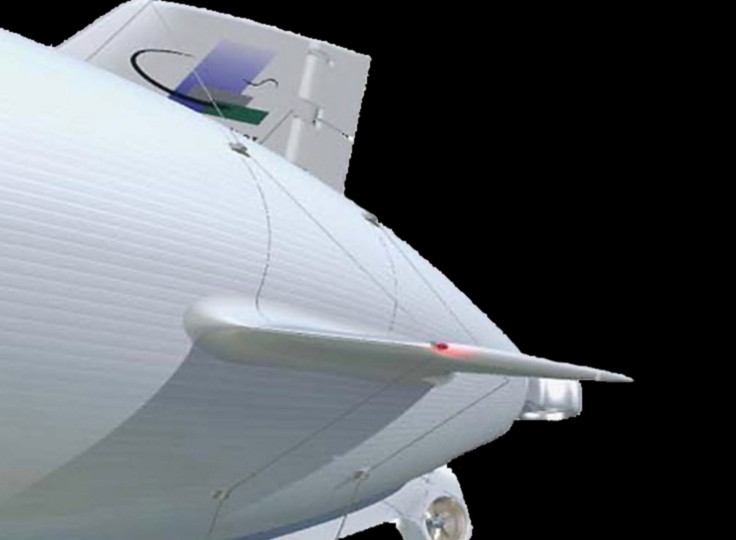
A heavy-lift airship combines a very large lifting body with the requirement to transport substantial payloads accurately and safely. Its aerodynamic behaviour is therefore important not only for propulsion power, but also for stability and controllability in wind.
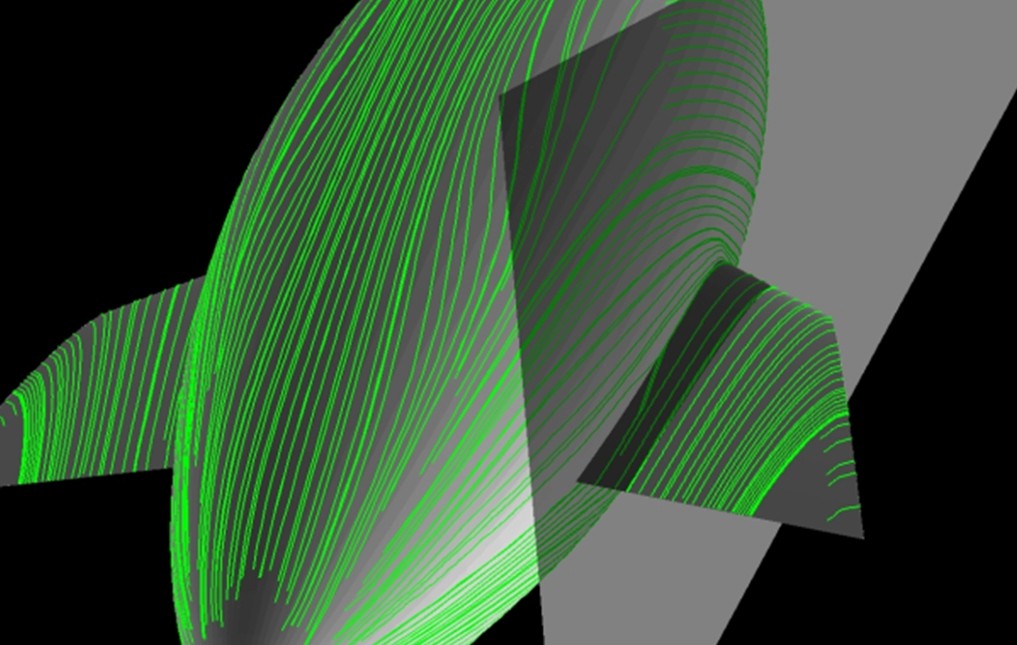
FlowMotion used CFD to analyse the airflow around the airship and support its aerodynamic design. The simulations provided the three-dimensional velocity and pressure fields around the hull and other aerodynamic surfaces.
By integrating the calculated pressure distribution and wall shear stresses over the surface, the resulting aerodynamic forces and moments could be determined. Different flight conditions and wind angles could therefore be assessed quantitatively.
The calculations also made it possible to identify regions of flow separation and other sources of aerodynamic loss. Geometry changes could then be evaluated for their effect on drag, side force, stability and control.
CFD thus provided detailed aerodynamic information for developing a vehicle whose size makes full-scale experimental development particularly challenging.